

What Is Roof Flashing?
Roof flashing is a thin material—typically metal, sometimes flexible membranes—that is installed around the most vulnerable junctions and edges of a roof. Its main purpose is to direct water away from places where the roofing surface meets other structural elements, such as chimneys, skylights, or vent pipes. Without flashing, water can seep through these gaps and cause damage inside the home.
Why Does Roof Flashing Matter for Homes in Rhinebeck, NY?
For residents in Rhinebeck, repeated freeze-thaw cycles, steady rainfall in spring and fall, and wet winter snow loads make water intrusion a year-round concern. Flashing provides an essential barrier at spots where roofing meets walls, valleys form, or roof slopes change direction.
Even a small leak can lead to:
- Rotting of roof decking and framing
- Mold growth in attics or finished spaces
- Insulation damage
Replacing or repairing these underlying issues often costs far more than maintaining functional flashing.
Where Is Flashing Installed on a Roof?
Flashing is used at various locations, each with specific needs:
- Chimneys: Flashing surrounds the chimney stack to block rain and melting snow from seeping into the seam.
- Roof valleys: Where two roof planes meet, L- or V-shaped flashing channels water safely downward.
- Skylights and roof windows: Specially contoured flashing kits fit tight against window frames.
- Dormers: Where a roof meets a wall, step flashing overlaps each shingle course to keep water out.
- Plumbing vents: A boot-style flashing goes around pipes that penetrate the roof surface.
- Edges and eaves: Drip edge flashing keeps water from wicking back under roofing materials.
How Does Flashing Protect Against Water Damage?
Flashing isn’t just a “nice extra”—it solves the specific problem that gravity alone can’t keep water out at joints and complex roof areas. By directing water onto the roof surface and into gutters or downspouts, flashing keeps the structure below safe and dry.
For local homes, this is especially critical:
- Sloped roofs common in the area shed water quickly, but places where multiple angles meet can slow runoff and create puddling.
- Heavy spring rain or melting snow can overwhelm small vulnerabilities.
Without flashing, water finds its way through even the tiniest gaps.
What Materials Are Common for Flashing?
The specific flashing material used depends on roofing type, local climate, and expected lifespan:
- Aluminum: Lightweight, easy to form, and common on asphalt roofs. Vulnerable to corrosion if touching pressure-treated wood.
- Galvanized steel: Strong and economical, but needs maintenance after scratches or damage.
- Copper: Very durable and resistant to rust, but more expensive and seen on historic or high-end homes.
- Membrane or rubber: Used for unique shapes or where metal isn’t practical, like on flat roofs.
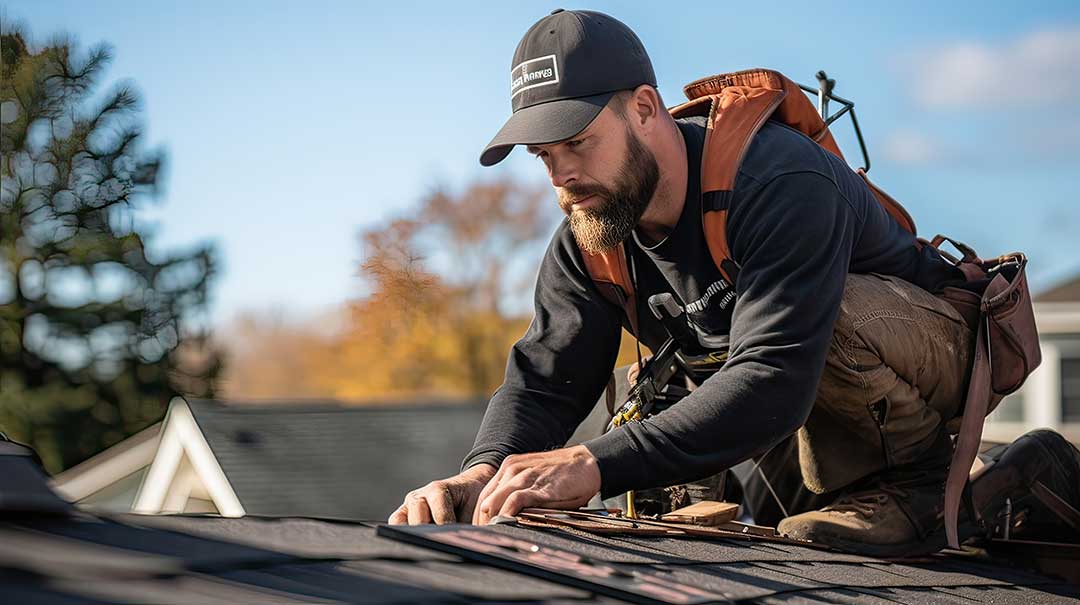
Historic homes in the area, especially those with slate or wood shake roofs, may use copper flashing for both longevity and aesthetic reasons.
How Can Residents Tell If Flashing Needs Attention?
The most obvious sign of flashing problems is water spots on ceilings after rain or snow melt, especially near chimneys, skylights, or roof valleys. Other clues include:
- Visible gaps, bends, or corrosion in exposed flashing
- Shingles curling or loosening near flashing
- Moss, algae, or rot near flashing lines (suggesting water isn’t properly diverted)
Homes with complicated rooflines or those shaded by tall trees are more prone to issues, since debris can trap moisture against flashing.
Are There Common Misconceptions about Roof Flashing?
Several myths sometimes cause residents to overlook flashing:
- “New shingles mean no leaks”—Shingles alone don’t keep out water at seams or joints, so new shingles don’t erase flashing problems.
- “Caulking solves everything”—While caulking can provide a temporary fix, long-term protection requires properly installed, overlapping metal or membrane flashing.
- “Flashing never needs maintenance”—Metal expands and contracts, caulk ages, and debris builds up. Occasional inspection during annual gutter cleaning can catch early signs of trouble.
What Else Should Rhinebeck Homeowners Know?
For most local homes, maintaining flashing is a small, routine task that prevents much bigger problems. After storms, heavy winter, or large tree limb falls, visually check for bent, loose, or missing flashing—especially near older chimneys or along roof valleys.
While handy residents can sometimes spot and seal small gaps themselves, full replacement or repairs involving ladders and complex roof areas is best left to those experienced with roofing safety and materials, particularly on steep roofs or multistory homes.
Well-maintained flashing is a “silent hero,” keeping homes dry through seasons of rain, melting ice, and wind-driven precipitation.
