

What Happens When Roof Repairs Are Ignored?
Postponing minor fixes can turn small, manageable problems into major headaches for homeowners. In Rhinebeck, NY, with its distinct seasons and variable weather, neglecting roof repairs leads to more than just visible leaks—it affects structural safety, indoor comfort, and long-term property value.
Why Do Small Issues Often Escalate Quickly?
Even minor shingle cracks, missing tiles, or flashing gaps can allow water to penetrate the roof’s protective layers. Once water gets through:
- Wood underlayment can rot, weakening the entire roof structure.
- Insulation often becomes saturated, decreasing energy efficiency and encouraging mold growth.
- Moisture intrusion invites pests looking for warmth and food.
The freeze-thaw cycles common in this area make problems worse. Water seeps into small cracks, freezes, expands, and causes splitting or loosening—turning a simple fix into a large patch job or, in severe cases, a partial replacement.
What Kinds of Damage Can Neglected Roofs Cause Inside the Home?
Abandoned repairs commonly lead to:
- Water stains on ceilings and walls, which are usually the first visible signs of trouble.
- Peeling paint, warped wood, and mold along attic rafters or interior surfaces.
- Uneven indoor temperatures as insulation becomes less effective.
Locally, the combination of heavy autumn rains and spring snowmelt puts sustained pressure on weaknesses. What starts as a tiny ceiling water mark after a storm may, within a season, become a collapsed section of drywall or dangerous mold outbreak in a rarely-visited attic corner.
Is Roof Neglect a Risk to Structural Safety?
Neglected roof problems can threaten a home’s structural integrity. Water infiltration over several months or years may:
- Cause roof decking to delaminate and sag, compromising its load-bearing capability.
- Lead to the slow deterioration of support beams, especially in older homes with traditional wood construction.
- Accelerate decay of chimney flashing and edge boards, undermining the attachment points between roof and walls.
Wind storms are another local factor. A weakened roof is more likely to lose shingles or even suffer partial blow-off when gusty conditions hit, exposing the rest of the home’s structure to rapid weather damage.
Can Waiting to Repair Lead to Higher Costs?
Delayed response almost always means greater expense down the line. What could have been resolved with a handful of new shingles or a few feet of flashing may require:
- Full-section decking replacements due to rot
- Insulation removal and attic abatement if moisture has spread mold
- Interior ceiling and wall repairs, often not covered fully by insurance if roof neglect is evident
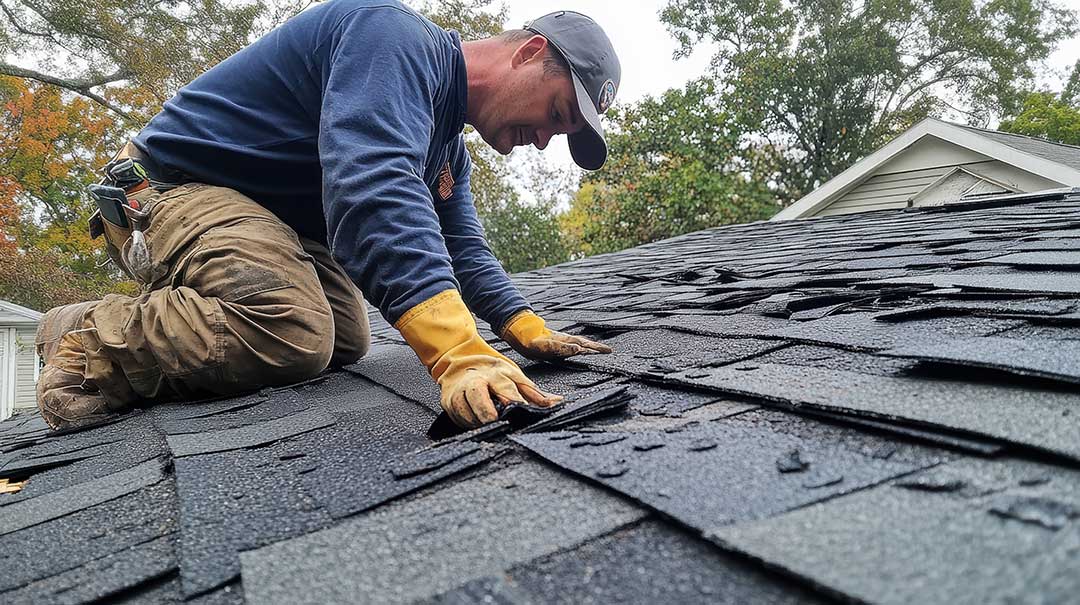
Labor and material costs in the area fluctuate with season and shortage cycles, so a small repair deferred through a winter might cost double or triple to resolve by spring or summer.
Are There Local Regulations or Inspection Requirements?
While there is no regular mandated roof inspection for single-family homes in Rhinebeck, local properties in historic or landmark districts, or homes governed by homeowners’ associations, may have more stringent maintenance expectations. Additionally, visible roof failure resulting in debris, runoff into neighbor’s yards, or unsafe conditions can trigger fines or required repairs under city maintenance codes.
Many lenders and insurance companies require proof of a roof’s condition during sales or coverage changes, and neglecting seemingly cosmetic issues can delay a home sale or lower its appraised value.
What Are the Most Common Misconceptions About Roof Maintenance?
Some area residents believe:
- Dark algae streaks or minor granule loss are purely cosmetic and can be ignored (these sometimes indicate more serious underlying moisture or aging issues).
- Small leaks can wait until a major renovation or until the next season; in reality, water damage spreads quickly through insulation and ceiling cavities.
- Patch repairs with caulk or tar can substitute for addressing missing or cracked shingles; these are typically short-term fixes at best, especially with snow and ice loads.
It's also a misconception that a newer roof is maintenance-free. Even installations less than a decade old can suffer premature wear due to wind, wildlife, or installation defects—occasional inspections remain important.
What’s the Best Approach for Local Homeowners?
Prompt attention to roof issues is the best defense. Homeowners should:
- Check roof and attic areas after severe weather or visible changes, such as loose shingles or overflowing gutters.
- Keep gutters clean and trimmed to reduce pooled water and debris that can hasten roof wear.
- Document any changes or damage for homeowner records, even if repairs are minor.
For situations involving ongoing leaks, electrical risk, or suspected mold, involving a qualified expert is prudent due to potential safety hazards and code requirements.
Regular awareness and timely response to emerging roof concerns help preserve property value, safeguard home comfort, and prevent the most disruptive and costly home repairs.
