
Why Does Roof Debris Build Up in Rhinebeck, NY?
Roof debris is a common challenge for homeowners in Rhinebeck, NY due to the area’s mix of mature trees, variable seasons, and local microclimates. Leaves, twigs, pine needles, seed pods, and even moss can accumulate throughout the year, especially after storms or during autumn.
The backdrop of the Hudson Valley means houses in the community often have overhanging branches or nearby woodland. Wet springs and humid summers contribute to moss and organic growth, while cold winters can cause debris to freeze in place.
Letting these materials stay on shingles can block water flow, promote rot, and attract pests. Gutters are also prone to clogs, increasing the risk of ice dams or water backup during storms.
When Should You Remove Roof Debris?
Debris should be cleared before it causes drainage or damage issues. In Rhinebeck, aim for removal:
- In late fall, after most leaves have dropped but before heavy snow
- Following strong storms or high winds
- In early spring to clear winter accumulation
Delaying beyond these points can make removal harder and lead to water pooling or moss growth. For roofs under broad-leafed trees or pines, more frequent checks (three to four times per year) may be necessary. Even roofs that appear mostly clean from the ground can harbor buildup in valleys or behind chimneys.
What Are the Safest Methods for Clearing Roof Debris?
Safety comes first. The majority of debris can be removed with simple hand tools or gentle blowers, but never sacrifice safety for convenience.
Key principles:
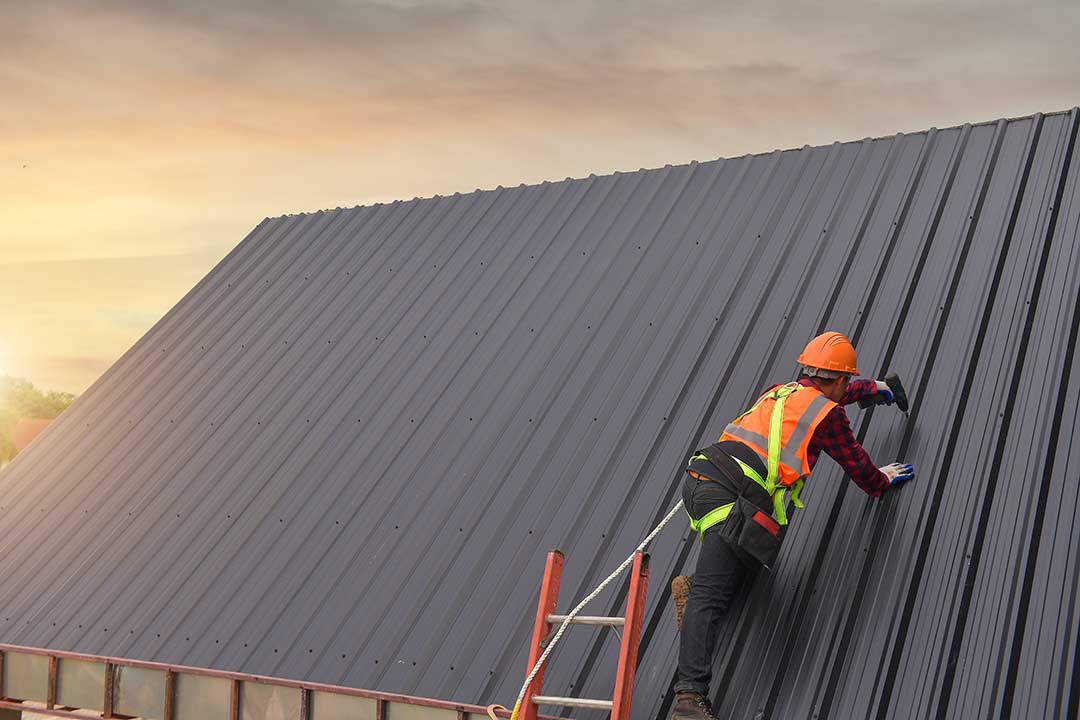
- Work from a secure ladder rather than standing on the roof whenever possible.
- Wait for dry, calm weather; shingles are slippery when damp and debris is more difficult to gather.
- Use protective gloves and eyewear to guard against sharp twigs and dust.
- Never use pressure washers or harsh scraping tools that could damage shingles, flashing, or gutters.
Basic debris removal approach:
- Use a long-handled roof rake or telescopic broom from the ladder to pull leaves or branches downward.
- For lightweight materials, a battery-powered blower on its lowest setting can gently move material off the surface. Direct air down the slope to avoid forcing debris under shingles.
- Collect what falls on the ground for composting or municipal green waste programs.
Should You Walk On the Roof?
Walking on a roof is not recommended for most homeowners in the city unless the pitch is very low and footing is secure. Onion-skin lichen, moss, and wet leaves greatly increase slip hazards. Architectural features like dormers and skylights in area homes can create tricky footing.
If debris removal requires accessing hard-to-reach areas or steep sections, consider using an extension pole or consulting guidance from local building code authorities. Only experienced individuals with proper fall protection should attempt full roof access.
How Do You Handle Moss, Algae, or Stuck-On Debris?
Organic growth, common in shaded or north-facing areas in Rhinebeck, needs a different approach than loose material.
- Remove bulk debris first with a soft broom or blower.
- For moss or algae, a gentle scrub with a soft brush may help loosen clumps. Take care not to dislodge granules from asphalt shingles.
- Do not use bleach solutions or harsh chemicals, as these can damage both the roofing material and landscape plants below.
- If moss is extensive or returning even after manual removal, review shade and moisture conditions and consider changes like trimming branches to improve sunlight and airflow.
Can Gutters and Valleys Be Cleared Like the Main Roof?
Roof valleys and gutters often collect the heaviest debris, which cannot be cleared by simple blowing alone.
- Use a scoop or gloved hand to remove mulched buildup from these channels. Leaf accumulation here often turns into dense, compost-like material.
- After hand removal, flush gutters with water to ensure downspouts are flowing freely.
- Check for signs of roof granule loss or water staining, which could indicate related maintenance issues.
What Are Common Mistakes to Avoid?
Several avoidable problems can occur when clearing debris in the area:
- Attempting to remove frozen debris. Wait until it thaws, as prying can damage roofing.
- Using high-pressure water, which can drive dirt under shingles or strip protective granules.
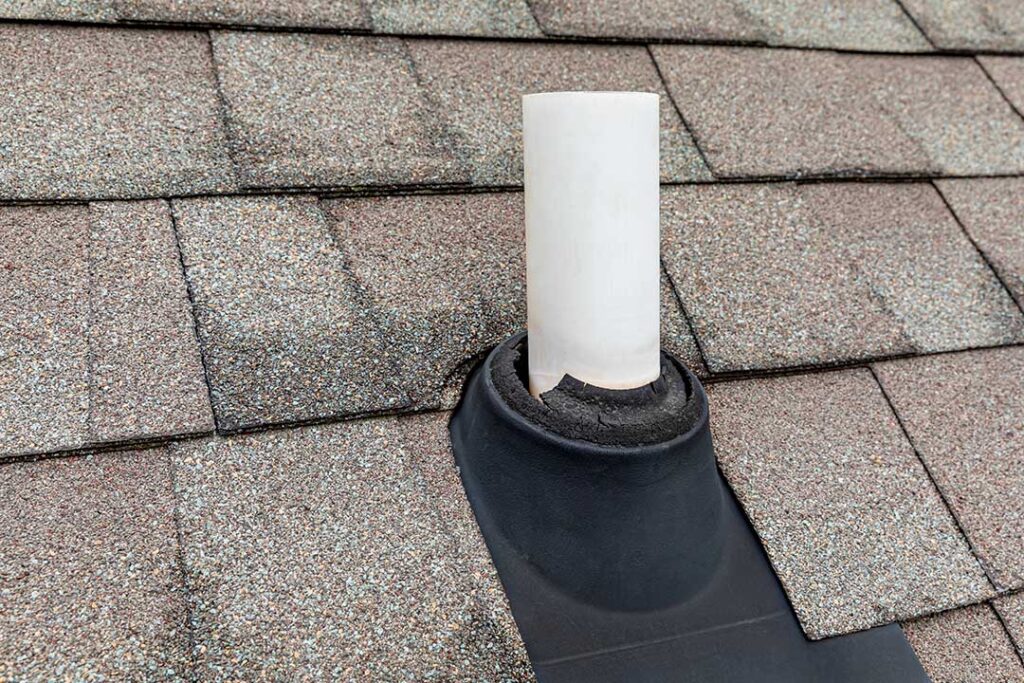
- Dislodging flashing or vent boots—always work around metal components carefully.
- Pushing or pulling debris upward against the grain of asphalt shingles.
- Ignoring gutter downspouts or splash blocks, which need to be clear for proper drainage.
How Can You Minimize Future Debris Buildup?
While it’s impossible to eliminate falling leaves or twigs, there are steps for limiting roof debris over time:
- Prune branches hanging directly over the roof to reduce leaf drop, especially before autumn.
- Keep gutters clean; blockages can increase the amount of debris caught on the roof edge.
- Consider installing gutter guards suitable for the style of home, but check these periodically for pine needles and seed pods.
- Routine inspections (binoculars from the ground can reveal problem spots) help catch buildup before it becomes a problem.
Efforts to keep the roof clear are most effective when woven into seasonal routines. For many area households, pairing a quick debris check with other outdoor chores provides a useful reminder.
