
What Causes Shingles to Curl or Crack?
Shingle curling and cracking on residential roofs often result from a combination of weather exposure, natural material aging, and local climate patterns. In Rhinebeck, NY, distinct seasonal cycles—cold winters with snow and ice, humid summers, and considerable autumn leaf fall—contribute to these problems.
Curling occurs when the edges of asphalt shingles lift away from the underlying roof deck, while cracking refers to visible splits or fissures forming on shingle surfaces. Common contributing factors include:
- Repeated freeze-thaw cycles, which exert stress on roof materials.
- Moisture getting beneath shingles due to ice dams or improper attic ventilation.
- Prolonged sun exposure leading to brittleness and loss of flexibility in aging shingles.
- Poor attic insulation causing heat buildup and uneven wear.
Local residents may notice these issues developing sooner on older roofs or those exposed to more direct sunlight or leaf litter from mature trees.
How Can Homeowners in Rhinebeck Identify Early Signs?
Catching curling or cracking early can help prevent more significant roof problems. In Rhinebeck, seasonal inspections—especially after winter or heavy storms—are practical and effective.
Look for:
- Edges of shingles lifting upward or “cupping”
- Thin, lengthwise cracks, often forming a pattern across several shingles
- Shingles that appear wavy rather than flat
- Debris or leaves trapped in gutters or against roof edges, potentially holding moisture against the roof
Binoculars can be useful for ground observation, but always prioritize safety. Inspecting the attic for signs of leaks, sunlight intrusion, or musty odors may also reveal early issues.
What Risks Do Curling and Cracking Pose for Local Roofs?
Even limited curling or cracking can allow water to seep under shingles, raising the risk of leaks, wood rot, and mold in Rhinebeck homes. These vulnerabilities become far more pronounced during heavy spring rains or after wet snow begins to melt.
Other risks include:
- Decreased shingle lifespan: Damaged shingles can fail prematurely, affecting surrounding shingles.
- Compromised insulation: Water intrusion reduces the effectiveness of attic insulation, causing heating costs to rise.
- Structural deterioration: Persistent leaks may damage roof decking and framing over time.
Prompt attention to these problems helps area households avoid costly repairs that go beyond just the roof surface.
Is Repair or Replacement Necessary? How Should Residents Decide?
Determining whether a repair will suffice, or if sections of the roof need replacement, depends on the extent and pattern of the damage. In many Rhinebeck homes, isolated curling or cracking can be addressed if caught soon enough.
Repair may be a reasonable choice when:
- Only a small number of shingles are affected, and the surrounding roof area is in good condition.
- Cracks are minor and have not penetrated through the full shingle thickness.
- There’s no evidence of underlying rot or persistent leaks.
Replacement of shingles—or, in some cases, entire roof sections—may be warranted where:
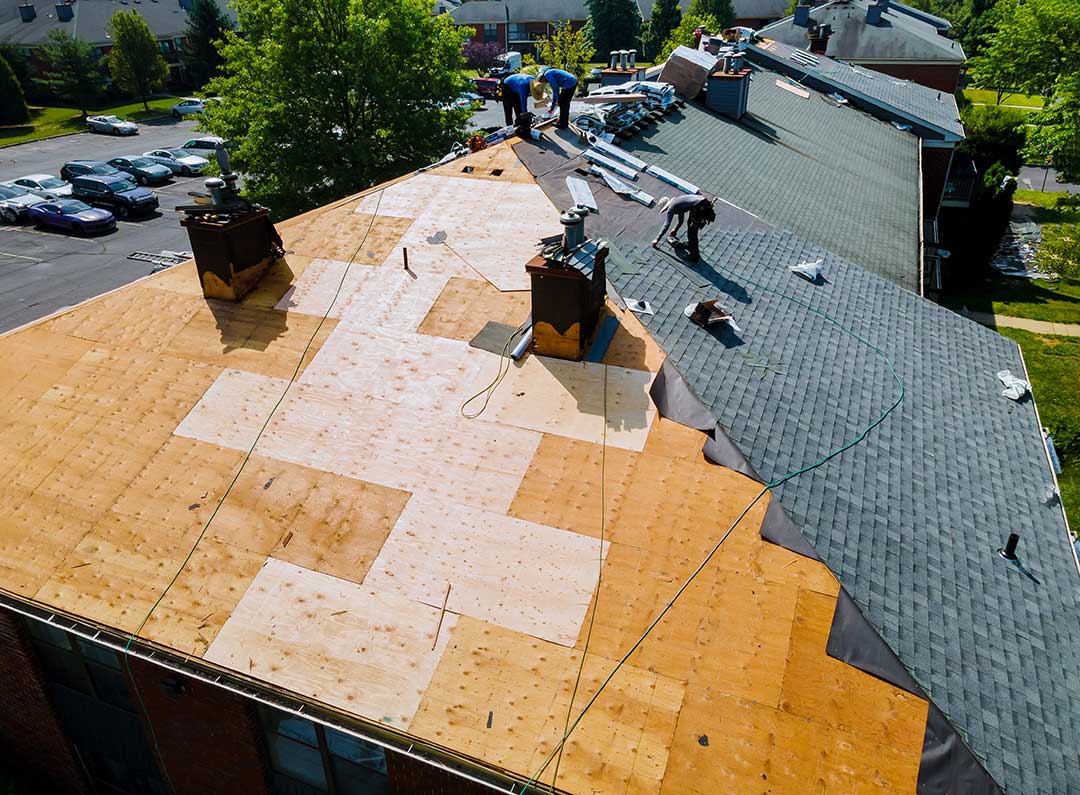
- Curling affects entire rows or a large percentage of the roof.
- Cracks run deep or shingles break apart when handled.
- There are signs of widespread moisture problems in the attic or ceiling below.
If safe, damaged shingles can sometimes be sealed with roofing cement as a temporary measure, but long-term solutions usually involve replacing compromised materials.
What Preventative Steps Work in Rhinebeck’s Climate?
Prevention focuses on reducing moisture exposure, moderating attic temperatures, and choosing appropriate roofing materials for the local environment. Strategies that specifically help in the region include:
- Ensuring attic spaces are well-ventilated, with clear soffit and ridge vents to allow airflow.
- Maintaining gutters and downspouts to keep water and debris off the roof, especially during fall leaf season.
- Promptly removing snow buildup, paying attention to prevent ice dams along roof edges.
- Scheduling regular inspections in spring and fall to address minor issues before they escalate.
- When replacing shingles, consider materials rated for the area’s freeze-thaw cycles and UV exposure.
Rhinebeck homes situated near large, mature trees may require more frequent roof cleaning to prevent organic matter from accelerating shingle aging.
Are There Common Misconceptions About Shingle Damage?
Some residents may assume that curling or cracking always means a full roof replacement is needed. In reality, early-stage damage can often be repaired with limited intervention, particularly if the underlying roof deck remains sound.
Another misconception is that only old roofs develop these problems. While shingle aging is a major factor, even relatively new roofs can suffer from improper installation, insufficient ventilation, or unexpected storm damage. A careful inspection helps determine the true cause.
Additionally, many homeowners underestimate the effect that attic conditions have on roof health. Uneven insulation, inadequate ventilation, or blocked vents play a larger role in shingle issues than is often recognized—especially in homes adapted over time or with additions.
When Is It Risky to Attempt DIY Fixes?
Simple patching or shingle replacement may seem straightforward, but safety risks increase significantly with sloped, icy, or multi-story roofs. In colder months or after storms, rooftops in Rhinebeck can develop slick surfaces, making falls a real threat.
As a general rule, repairs involving only a few accessible shingles and no compromised decking may be handled by confident homeowners with appropriate safety equipment and knowledge. Tasks involving extensive shingle removal, structural damage, or work near electrical or venting systems are usually better left to those with specialized training and tools.
