

A roof leak should be treated as an active water intrusion, even if the stain on the ceiling looks small. The safest approach is to protect people, limit interior damage, document what is happening, and avoid making the roof problem worse.
What should you do first after finding a leak?
Move people, pets, furniture, electronics, and other valuables away from the affected area. Place a bucket or container under the drip, then use towels or plastic sheeting to protect floors and furnishings.
If water is near a light fixture, ceiling fan, outlet, or electrical wiring, avoid touching the fixture or standing in pooled water. Shut off power to the affected circuit only if the electrical panel can be reached safely from a dry location. If there is active sparking, smoke, a burning smell, or widespread water near electrical equipment, leave the area and seek emergency assistance.
A ceiling that is bulging or sagging may contain a significant amount of water. Do not stand directly underneath it. If the area can be reached safely and there is no electrical hazard, a small opening at the lowest point may allow trapped water to drain into a container. This should only be attempted by someone who can do so without climbing onto an unstable surface or placing themselves beneath a heavily swollen ceiling.
How can you tell whether the leak is still active?
A drip is an obvious sign, but water can continue moving through insulation, framing, and ceiling materials after visible dripping stops. Check the area periodically, especially during rain or after snow begins melting.
Signs of continuing moisture include:
- A spreading ceiling stain
- Freshly damp drywall
- Peeling paint or bubbling plaster
- Wet insulation
- A musty odor
- New dripping around trim, chimneys, or attic access areas
- Water appearing several feet away from the original stain
In older houses, water may enter at one location and travel along rafters or ceiling joists before appearing indoors. The visible stain is therefore not always directly below the roof defect.
Should you inspect the roof during the storm?
No. Walking on a wet, icy, snow-covered, or steep roof creates a serious fall risk. Wind can also make ladders, loose roofing materials, and branches hazardous.
A visual inspection from the ground may be reasonable if conditions are safe. Look for missing or displaced shingles, exposed underlayment, damaged flashing, fallen branches, or debris collecting around roof drainage areas. Binoculars can help identify obvious damage without requiring a climb.
Do not use a ladder during strong wind, active lightning, icy conditions, or when the ground is unstable. A roof leak is inconvenient, but a fall can create a much more serious emergency.
Can you slow the leak temporarily?
A temporary measure may reduce interior damage, but it is not a permanent repair. If the leak is clearly associated with a small area of exposed roofing and conditions are safe, a properly secured tarp may help keep additional water out. Tarp installation is risky on many roofs, particularly during rain, snow, or freezing temperatures.
Never cover a roof opening with ordinary plastic loosely placed over the surface. Wind can turn it into a hazard, and water may continue entering beneath it. Do not apply roofing cement, expanding foam, or household caulk to a wet surface as a rushed fix. These materials may hide the source, trap moisture, or make later repairs more difficult.
If a temporary cover is needed, it should be installed only when the roof and weather conditions allow safe access. Otherwise, focus on interior protection and limit exposure to the affected area.
What should you document?
Take photographs and short videos of the ceiling stain, active dripping, damaged belongings, attic moisture, and any visible exterior damage. Include wider images that show the location within the room, along with closer images of the affected materials.
Write down:
- The date and approximate time the leak was discovered
- Weather conditions, such as heavy rain, wind, snow, or rapid thawing
- Whether the leak began suddenly or developed gradually
- Areas of the home that were affected
- Actions taken to protect the property
- Any temporary repairs or cleanup performed
Documentation can help identify patterns and support an insurance discussion if the damage is substantial. Keep receipts for emergency materials, drying equipment, or damaged-item replacement. Avoid discarding damaged materials before they have been photographed and, when appropriate, reviewed by the insurer.
What are common causes of roof leaks in this area?
Rain is only one possible trigger. Freeze-thaw cycles can loosen flashing, open small cracks, and create movement around roof penetrations. Ice buildup near eaves can block drainage and force melting water beneath roofing materials.
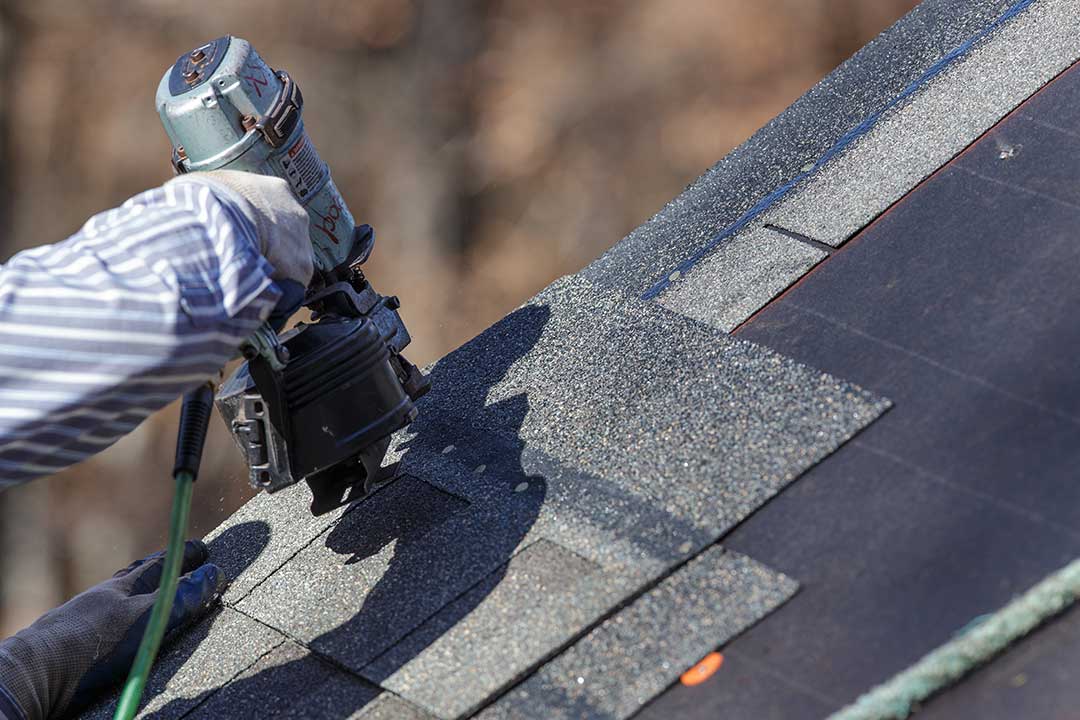
Common causes include:
- Damaged, missing, or aging shingles
- Cracked or improperly sealed flashing
- Leaks around chimneys, skylights, vents, and roof pipes
- Clogged gutters or downspouts
- Roof valleys that collect leaves and ice
- Wind-damaged metal edging
- Condensation caused by poor attic ventilation
- Falling branches or debris
- Snow and ice accumulation
- Water entering through deteriorated siding or masonry and appearing to be a roof leak
Homes with additions, dormers, enclosed porches, or several roof levels can have complicated drainage paths. A leak that appears after a storm may involve an older weakness that only becomes noticeable under unusual wind direction or rainfall intensity.
Does a stain always mean the roof needs replacement?
No. A ceiling stain identifies water intrusion, not the full extent or age of the roof. Some leaks result from a localized flashing failure, a blocked drainage path, or damage around one roof penetration. Other leaks reveal widespread deterioration, repeated moisture exposure, or structural damage.
The roof covering, underlayment, flashing, decking, insulation, framing, and interior finishes may all require separate evaluation. Repainting the stain without addressing the moisture source can cause the mark to return and may conceal mold growth or material deterioration.
Even when the roof appears dry, damp insulation and wood can remain vulnerable to mold and decay. Drying and monitoring are part of the response, not merely cosmetic cleanup.
When does a leak require urgent attention?
Urgent action is appropriate when water is entering rapidly, a ceiling is sagging, electrical components are involved, or structural materials appear weakened. Immediate attention is also warranted after a fallen tree, major wind event, fire, or substantial snow or ice movement.
Extra caution is needed if anyone in the home has breathing problems or if the area has a strong musty odor. Wet building materials should not be disturbed unnecessarily, and children and pets should be kept away from damaged ceilings, insulation, and debris.
If the leak is minor and contained, the immediate priority remains the same: control water, protect the interior, document conditions, and arrange for the cause to be assessed before making permanent repairs. A roof can look dry while hidden moisture continues damaging the structure.
How can future leaks be reduced?
Routine observation is more useful than waiting for a ceiling stain. After major storms, inspect the attic or upper-level areas from a safe location for damp insulation, daylight through the roof deck, stained wood, or fresh water marks.
Keep gutters and downspouts clear, trim branches that could fall onto the roof, and watch for loose flashing or damaged roof edges. During winter, note unusual ice buildup and blocked drainage. Good attic ventilation and insulation can also reduce condensation and temperature swings that contribute to moisture problems.
For area households, seasonal checks are especially useful in late fall, after winter storms, during spring thaw, and following periods of strong wind. Early signs—such as a small discoloration or damp smell—are easier to address than a saturated ceiling or damaged framing.
