
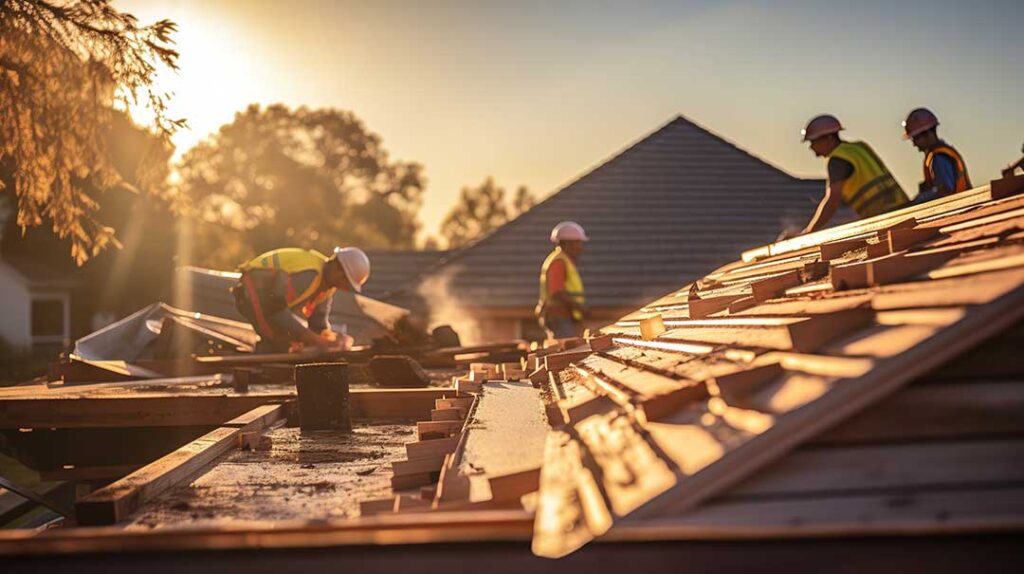
Roofing scams often appear after a storm, during busy repair seasons, or when a homeowner notices a leak and feels pressured to act quickly. The most reliable protection is slowing the process down, verifying who is offering the work, and refusing agreements that are unclear or difficult to review.
For residents in Rhinebeck, NY, seasonal weather can create legitimate roofing concerns. Heavy rain, wind, snow, ice, fallen branches, and freeze-thaw cycles may expose existing weaknesses. Those conditions can also attract people who use urgency and uncertainty to sell unnecessary repairs.
How do roofing scams usually begin?
Most roofing scams start with an unsolicited approach. Someone may knock on the door, leave a flyer, make a phone call, or claim to have noticed damage from the street. The person may offer an immediate inspection and describe serious problems before the homeowner has had time to look at the roof independently.
Common opening lines include:
- “There was a storm in the area, and many roofs were damaged.”
- “A crew is already working nearby.”
- “This problem will get much worse if it is not fixed today.”
- “The insurance company will cover everything.”
- “A special price is available only while the crew is here.”
A legitimate concern can still be raised by an honest person, but pressure is a warning sign. A homeowner should be able to ask questions, compare information, and decide without being rushed.
What warning signs deserve the most attention?
The clearest warning signs are pressure, vague paperwork, unusual payment demands, and promises that sound too certain.
Be cautious if a person:
- Demands a large cash payment before any work begins
- Refuses to provide a written scope of work
- Avoids giving a business name, physical mailing address, or reliable phone number
- Claims to represent an insurance company without clear identification
- Says insurance coverage or approval is guaranteed
- Offers to waive the deductible or falsify an insurance claim
- Recommends replacing the entire roof without showing specific evidence
- Discourages a second opinion
- Asks the homeowner to sign a contract with blank spaces
- Arrives in an unmarked vehicle and will not explain who employs the crew
- Changes the price after materials are delivered
- Wants payment made to an individual when the agreement names a different party
A fast response may be reasonable for active water intrusion, but urgency does not eliminate the need for documentation. Temporary protection, such as a properly placed tarp in a safe situation, may address an immediate concern while the homeowner evaluates long-term work.
How can a homeowner verify a roofing contractor?
Verification should happen before signing a contract or making a substantial payment. A business name alone is not enough because names can be copied, changed, or used by unrelated individuals.
Ask for:
- A written estimate with the company’s legal or operating name
- A description of the work, materials, cleanup, and disposal
- The expected start and completion dates
- Payment terms and cancellation provisions
- Proof of insurance, with coverage details that can be independently confirmed
- References for comparable roofing work
- Any required registration, license, or permit information
The contractor should be able to explain who will perform the work and whether subcontractors will be used. If subcontractors are involved, ask who is responsible for supervision, payment, and job-site safety.
References should be checked rather than accepted automatically. A homeowner can ask whether the project was completed as promised, whether the price changed, whether cleanup was thorough, and whether problems were handled fairly.
What should a roofing contract include?
A useful contract makes it possible to understand exactly what is being purchased. It should not depend on verbal assurances or technical language that the homeowner cannot review.
Look for specific details such as:
- The areas of the roof included in the work
- Removal and disposal of existing roofing materials
- Underlayment, flashing, ventilation, ice-barrier, and other components
- Material type, color, and approximate quantity
- Treatment of damaged decking or structural materials
- Protection of landscaping, siding, windows, and exterior property
- Cleanup and disposal responsibilities
- Total price, deposit amount, and payment schedule
- How unexpected conditions will be documented and approved
- Warranty terms and who provides each warranty
- Procedures for cancellation or dispute resolution
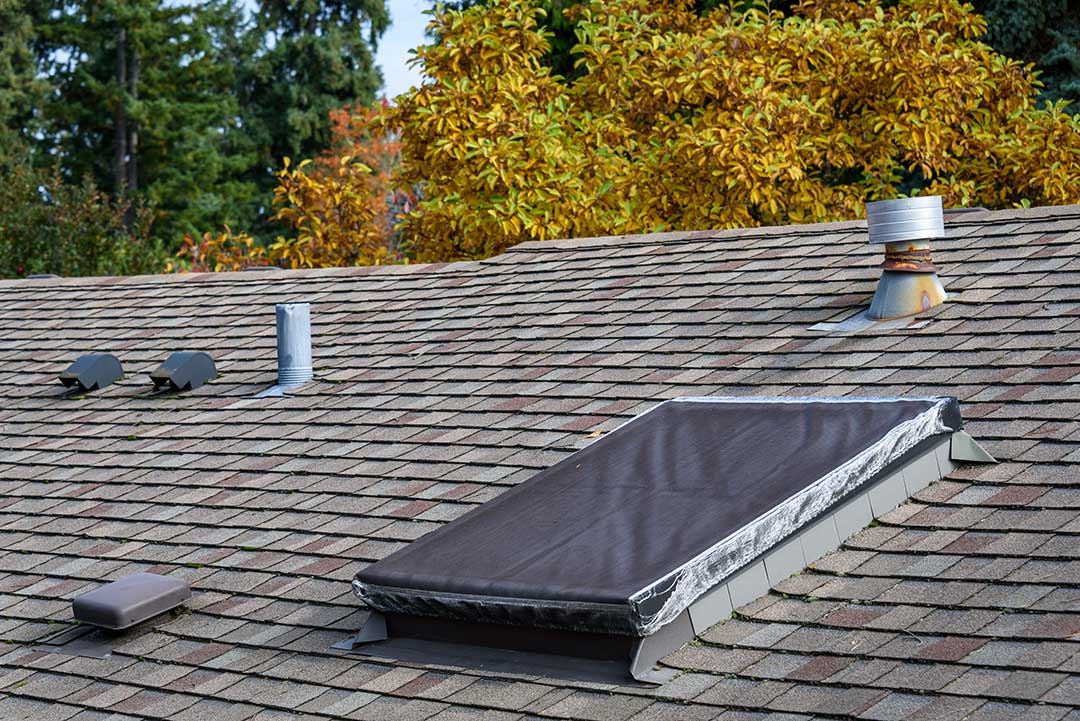
A contract should not authorize broad additional work without a clear approval process. If hidden damage is discovered, the contractor should document it with photographs or a written explanation and obtain approval before increasing the price, except where immediate action is necessary to prevent serious damage.
Can roofing scammers misuse insurance claims?
Yes. Storm-related work creates opportunities for dishonest insurance practices. A person may promise that the insurer will pay for a complete replacement, ask the homeowner to sign over insurance benefits, or encourage exaggeration of damage.
Homeowners should report damage accurately and avoid signing statements they do not understand. Insurance coverage depends on the policy, the cause of damage, exclusions, deductibles, maintenance history, and the insurer’s investigation. No contractor can honestly guarantee a particular coverage decision.
A homeowner may communicate directly with the insurance company and keep copies of photographs, reports, receipts, and correspondence. If an insurance representative or contractor asks for an assignment of benefits or similar authorization, read the document carefully and consider independent legal or consumer guidance before signing.
Waiving or disguising a deductible can create serious problems. A discount that is represented as a way to avoid the deductible may be evidence of an improper arrangement rather than a legitimate savings opportunity.
What should residents do after a storm?
After severe weather, inspect the property from the ground rather than climbing onto the roof. Look for missing shingles, loose flashing, damaged vents, fallen branches, interior stains, attic moisture, and pieces of roofing material on the ground.
Photographs taken from safe locations can help document conditions. Note the date, approximate time, weather event, and any changes inside the home. Do not disturb fallen wires or approach unstable trees.
In older homes and houses with complex rooflines, damage may be difficult to see from ground level. A serious leak, sagging roof area, exposed underlayment, or suspected structural damage requires prompt attention because water can spread into insulation, ceilings, walls, and electrical areas. Roof access should be left to people equipped to perform it safely.
What if a homeowner has already signed or paid?
Act quickly, but do not give additional money simply because someone demands it. Save the contract, receipts, text messages, emails, photographs, advertisements, and payment records. Write down what was said, when workers arrived, and what work was completed.
Review the contract’s cancellation terms and applicable consumer protections. Payment disputes may involve a bank, credit-card issuer, or other payment provider, and reporting deadlines can apply. If there is suspected fraud, identity misuse, property damage, or an unsafe work site, document the condition and report it to the appropriate local, state, or law-enforcement authority.
Do not confront an aggressive crew or enter a hazardous work area. Safety comes before recovering tools, materials, or money.
How can households reduce future risk?
The safest approach is to make roofing decisions before an emergency occurs. Keep records of past repairs, roof age, warranties, permits, and photographs. After major weather, check the attic and ceilings for signs of moisture without climbing onto the roof.
It also helps to establish a household rule: no same-day signing, no large cash payment, and no insurance paperwork that has not been read carefully. A trustworthy contractor should tolerate reasonable questions and allow time for the homeowner to understand the agreement.
For older properties and homes affected by winter ice, spring rain, or falling branches, routine observation can identify small maintenance issues before they become urgent. Slowing down is often the most effective defense against a roofing scam.
