
Roof trouble rarely becomes expensive all at once. More often, a small defect allows water, air, or ice to enter repeatedly until the damage spreads into insulation, framing, ceilings, and interior finishes. For households in Rhinebeck, NY, seasonal snow, freezing temperatures, wind, rain, and rapid temperature changes can make delayed maintenance especially costly.
What happens when a minor roof leak is ignored?
A small leak can damage more than the visible ceiling stain. Water may travel along rafters, roof decking, insulation, electrical wiring, or wall cavities before appearing indoors.
The first signs may be easy to dismiss:
- A brown or yellow ceiling mark
- Damp attic insulation
- Peeling paint near a window or upper wall
- Musty odors
- Drips that appear only during heavy rain
- Loose or darkened shingles
- Granules collecting in gutters or downspouts
A leak that appears only during certain weather is still active damage. Wind-driven rain may enter through a flashing joint, while melting snow may find an opening that ordinary rainfall does not reach.
Moisture also tends to spread beyond the original entry point. A stain in one room does not necessarily identify the location of the roof defect directly above it. By the time water becomes visible, concealed materials may already have been wet for days or weeks.
Why does roof damage become more expensive over time?
The cost increases because roofing problems can move from the roof surface into several building systems. A damaged shingle or failed seal may initially require limited correction. Continued exposure can create additional work involving:
- Roof decking softened by repeated wetting
- Wet or compressed insulation
- Rotted fascia, soffits, or trim
- Damaged rafters or roof framing
- Stained or deteriorated drywall
- Mold growth where moisture remains trapped
- Corroded fasteners, vents, or flashing
- Electrical components exposed to water
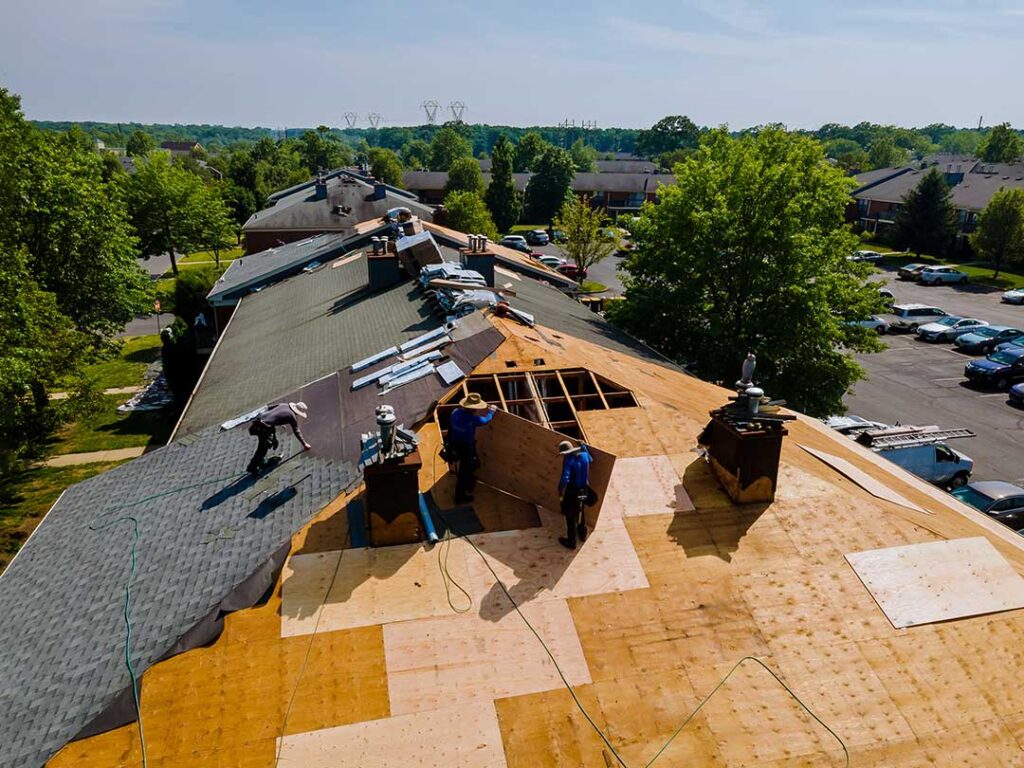
Roof decking is particularly important. It supports the roofing material and provides a surface for shingles or other coverings. If it becomes weak, replacement may involve removing more of the roof surface than would have been necessary during the first repair.
Interior damage can also be more disruptive than exterior work. A roof issue may eventually affect ceilings, plaster, hardwood flooring, cabinetry, stored belongings, or finished attic areas.
How do Rhinebeck winters affect neglected roof problems?
Winter weather can enlarge small weaknesses. Water enters a crack or open joint, freezes, expands, and then contracts as temperatures change. Repeated freeze-thaw cycles can loosen materials and widen existing gaps.
Snow and ice add other risks. Accumulated snow places weight on the roof, while melting snow can collect near eaves, valleys, chimneys, or areas where insulation and ventilation are uneven. If that water refreezes, ice can obstruct drainage and force water beneath roofing materials.
Ice dams are often misunderstood. They are not simply caused by “too much snow.” They usually involve heat escaping from the building, uneven roof temperatures, snow cover, and inadequate drainage at the eaves. Once an ice dam forms, water may back up beneath the roof covering and enter the attic or upper walls.
A roof that performs adequately during summer rain may still have winter vulnerabilities. Weak flashing, poor ventilation, and concealed moisture can become much more apparent during prolonged cold weather.
Can a roof leak cause structural damage?
Yes. Persistent moisture can weaken wood components, especially where water remains trapped and drying is limited. Roof framing, sheathing, fascia, and wall framing can all be affected.
Structural damage may not be obvious from inside the living space. Warning signs include:
- Sagging areas on the roofline or ceiling
- Uneven roof surfaces
- Doors or windows that begin sticking near a damaged wall
- Cracked or separating interior finishes
- Soft wood around attic penetrations
- Rusted or deteriorated metal connectors
Not every crack or sag is caused by a roof leak, but changes near a known moisture problem deserve attention. Structural materials do not need to be visibly collapsed to be compromised. Repeated wetting can reduce strength gradually.
Walking on a roof with damaged decking is also hazardous. Soft areas may give way unexpectedly, particularly around valleys, roof edges, skylights, chimneys, and other penetrations.
What roof problems are commonly overlooked?
Some of the costliest issues are not dramatic from the ground. Missing shingles are easy to notice, but less visible conditions may be equally significant.
Flashing is one example. Flashing directs water around chimneys, vents, sidewalls, valleys, and roof edges. If it separates, corrodes, cracks, or was installed poorly, water can enter even when the surrounding shingles appear intact.
Ventilation is another overlooked factor. Poor attic ventilation can contribute to excessive heat and moisture, which may shorten roofing-material life and increase the likelihood of condensation. Condensation is not the same as a roof leak, but it can produce similar stains, odors, and insulation damage.
Gutters and downspouts also affect roof performance. Blocked or poorly directed drainage can leave water near the roof edge and foundation. In winter, wet debris and trapped water may freeze, adding weight and encouraging ice buildup.
Older houses may contain layered repairs, irregular roof geometry, plaster ceilings, enclosed eaves, or additions built at different times. These conditions can make water paths less obvious and can increase the need for careful inspection before the full scope of damage is known.
Does homeowners insurance cover ignored roof damage?
Insurance coverage depends on the policy, the cause of damage, and the condition of the roof. Sudden damage from a covered event may be treated differently from deterioration, neglected maintenance, repeated seepage, or damage that developed gradually.
A policy may also distinguish between the roof itself and resulting interior damage. Documentation can matter, including photographs, dates, weather conditions, maintenance records, and descriptions of when the problem was first observed.
It is unwise to assume that a claim will cover every consequence of a long-standing leak. Policy language varies, and exclusions may apply. Reviewing the relevant policy provisions before an emergency can clarify responsibilities, deductibles, and reporting requirements.
What should residents do after discovering a roof problem?
The first priority is to reduce immediate danger and prevent additional interior damage.
If water is near light fixtures, outlets, electrical equipment, or wiring, avoid contact with the affected area and treat it as an electrical hazard. Do not climb onto a wet, icy, or visibly damaged roof. During severe weather, roof access can be more dangerous than the leak itself.
Inside the home, practical steps may include:
- Moving furniture and valuables away from the affected area
- Placing containers beneath active drips
- Photographing stains, damaged materials, and visible exterior conditions
- Recording when the problem appeared and what weather preceded it
- Checking the attic only when access is safe and dry
- Keeping children and pets away from sagging ceilings or wet flooring
A ceiling that is bulging from trapped water should not be punctured casually. The water may be heavy, contaminated, or close to electrical components.
How can homeowners limit the cost of future roof damage?
Regular observation helps identify problems before they spread. After major wind, snow, or ice events, look from the ground for displaced shingles, hanging gutter sections, exposed underlayment, damaged flashing, or unusual roofline changes.
Inside the attic, safe seasonal checks can reveal damp insulation, daylight where it should not be visible, rusted fasteners, or darkened wood. Gutters and downspouts should remain able to drain freely, and tree limbs that threaten the roof should not be allowed to rub against or fall onto it.
The most useful principle is simple: a roof defect is usually cheapest to address when it is still limited to the roof covering or flashing. Once moisture reaches insulation, framing, ceilings, and personal property, the problem is no longer only a roofing issue.
